
Best Roofing Materials for a Covered Patio
Selecting the right material for your covered patio roof is more important than many homeowners realize. The choice affects not just how long your patio lasts, but also how much time and money you’ll spend maintaining it over the years.
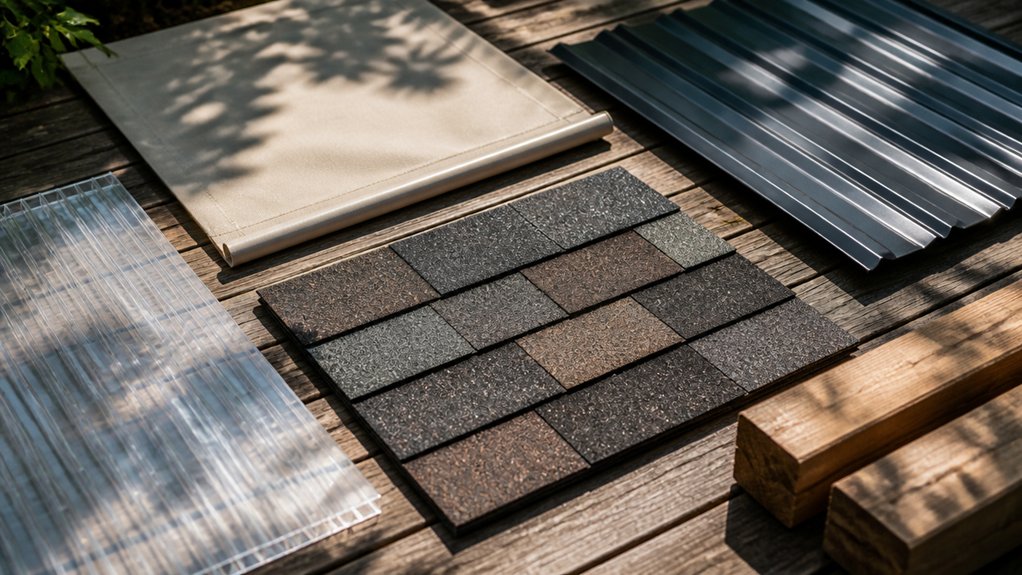
Metal roofing, polycarbonate, wood, and composite panels all have their place, depending on your specific needs.
Climate plays a massive role in determining which material will work best. A coastal area demands something corrosion-resistant, while a region with heavy snow requires superior weight-bearing capacity. Local building codes can also restrict certain options, so checking requirements early saves headaches later.
Cost considerations deserve serious attention upfront. Metal and composite options typically cost more initially but require less maintenance, while wood offers charm but demands regular treatment and repairs. Polycarbonate falls somewhere in the middle, offering affordability with decent durability.
The visual appeal of your choice shouldn’t be overlooked either. Your patio roof contributes significantly to your home’s exterior appearance and overall property value.
Balancing aesthetic preferences with practical performance ensures your investment remains both beautiful and functional for years to come.
5 Factors That Make or Break a Patio Roof
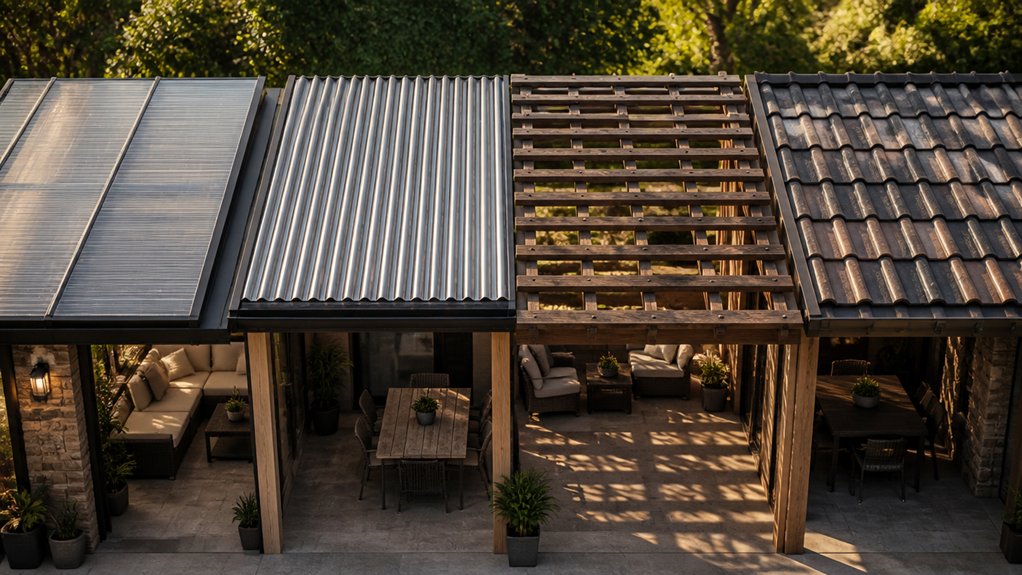
Climate Conditions
Your local weather shapes everything about your patio roof. Heavy snow, strong sun, and lots of rain each demand specific materials to handle the job.
Think about what your area gets most. Snowy regions need sturdy structures, while sunny spots require UV-resistant materials.
Material Durability
Polycarbonate, metal, and wood all have different lifespans and upkeep needs. Picking the right one saves you money over time.
Some materials last decades with minimal care. Others need regular maintenance to stay strong and looking good.
Structural Support
Your patio roof’s frame carries everything on top of it. Weak framing can’t handle weather stress or heavy materials, leading to costly damage.
Proper support beams and posts make all the difference. Skip this step, and you’ll pay for it later.
Installation Quality
How your roof gets built matters just as much as what it’s made from. Bad fastening and sealing create leaks and early failures.
Quality installation keeps water out and your roof standing tall for years.
Building Code Requirements
Local codes protect your safety and your home’s value. They cover wind resistance, load capacity, and structural safety standards.
Following these rules isn’t optional. Skipping them puts your patio at risk and can cause legal headaches.
Metal Roofing: Longevity Meets Modern Style
Why Metal Roofing Works
Metal roofing combines durability with a sleek look that complements any patio. Three popular options stand out: aluminum, steel, and copper. Each brings different strengths to the table.
Aluminum won’t corrode and weighs very little, so installation goes smoothly. Steel offers strength and great pricing, but needs protective coatings to stay rust-free. Copper looks stunning and lasts fifty years or longer.
Energy and Installation Benefits
The reflective surface of metal roofing bounces sunlight away. This keeps your patio cooler and cuts down on air conditioning bills. Installation involves fastening panels securely and sealing joints properly to block water leaks.
Easy Care and Long-Term Value
You won’t spend much time maintaining a metal roof. Just clear away debris occasionally and check that fasteners stay tight. Higher upfront costs fade away when you consider the decades of reliable protection and minimal maintenance ahead.
Polycarbonate: Crystal-Clear Shade on a Budget
Affordable Transparency
Polycarbonate panels give you a budget-friendly way to add shade while keeping natural light flowing through. You get the look of glass without the hefty price tag or fragility of metal roofing.
These plastic sheets block ultraviolet rays, so your patio stays protected from sun damage. They’re much lighter than metal and tougher than glass, making them easier to install.
Color and Style Options
You can choose from clear, tinted, or opaque panels depending on your needs. Each thickness level offers different levels of light control and durability.
How Long They Last
With UV-protective coatings, polycarbonate typically lasts 15 to 20 years. You’ll only need occasional cleaning to keep them looking their best.
Price Comparison
Expect to pay $2 to $4 per square foot. This makes polycarbonate one of the most wallet-friendly roofing solutions available.
Minor Drawbacks
The material may yellow slightly over time. Regular cleaning helps maintain clarity and appearance.
These panels work best for covered patios where budget and durability matter most. They’re ideal if you’re not looking for premium aesthetics.
Wood Roofing: The Classic Patio Choice
Why Homeowners Love Wood
Wood brings natural warmth and beauty to any patio. Cedar and redwood stand out because they naturally resist decay and insects, making them reliable choices for outdoor spaces.
The Upside of Wood
You’ll enjoy excellent insulation that keeps patios cooler when the sun beats down. The material also lets you customize your space with different finishes and stain colors to match your style.
Maintenance Matters
Regular upkeep keeps your wood roof in good shape. Plan to stain, seal, and inspect it for rot or damage each year. Without proper care, wood can suffer from weathering, moisture problems, and pest damage.
Cost and Installation
Prices depend on the wood type and quality you select. Expect moderate to expensive costs. Hiring a professional installer is worth it since they ensure proper support and drainage systems work correctly from the start.
Composite Panels: The Set-It-and-Forget-It Option
Composite panels are your answer if wood roofing sounds like too much work. Made from fiberglass, resin, and polyester, they handle rot, insects, and weather without breaking a sweat.
You’ll spend far less time maintaining these panels than traditional wood. Just rinse them occasionally with mild soap and water. No staining, sealing, or repainting needed.
Durability and Appearance
Composite panels keep looking good for 20 to 30 years when installed properly. The material doesn’t fade or degrade the way wood does over time.
Style Options
You can choose corrugated panels or flat sheets in multiple colors and opacities. Some versions let diffused light through, so your patio won’t feel completely dark underneath.
Installation
Fastening these panels to your existing frame is straightforward. The job uses standard hardware and basic attachment methods.
Cost Considerations
Expect to pay more upfront than some roofing alternatives, ranging from moderate to high depending on quality and thickness. The trade-off works in your favor since they last decades with almost no maintenance costs.
Cost, Durability, and Climate Fit: Side-by-Side Comparison
How do the major patio roofing materials stack up against each other in real-world conditions?
Polycarbonate panels run $15–$25 per square foot and stand up great to hail and UV rays. Metal roofing costs $10–$20 per square foot and lasts 40–70 years with excellent weather resistance. Fiberglass is budget-friendly at $8–$18 per square foot but only lasts 10–15 years in sunny climates. Wood shakes look beautiful at $12–$30 per square foot, though they need constant care and fail quickly in humid areas.
The Right Material for Your Climate
Hot, dry regions work best with polycarbonate or metal options. Heavy rain calls for metal’s superior drainage capabilities. Cold climates need materials that handle snow load and freeze-thaw stress without cracking. Metal also beats wood in humid regions since it resists rot far better.
Budget-conscious homeowners often go with fiberglass for the lower upfront cost. Just know you’ll replace it sooner than pricier alternatives.
Match Your Material to Your Climate Zone
Your location plays a big role in choosing the right patio roof. Different regions have different weather challenges that affect how long your materials last.
Hot, Arid Climates
Metal roofing and polycarbonate work great in dry, sunny areas. They reflect heat and stand up well to intense UV rays without warping or fading.
Wet, Humid Regions
Mold and rot are real concerns here. Look for treated wood or metal with protective coatings that can handle moisture and humidity without deteriorating.
Good drainage is essential in these climates. Make sure water flows away from your patio quickly.
Cold Climates
Heavy snow and freeze-thaw cycles require tough materials. Asphalt shingles and metal roofing handle these conditions best and won’t crack under pressure.
Slope matters too. A proper angle prevents ice dams from forming on your roof.
Coastal Areas
Salt air corrodes most materials fast. Vinyl or coated metal options resist this damage much better than untreated alternatives.
Before You Decide
Check your local weather patterns and building codes. This simple step saves headaches later and ensures your choice is both practical and compliant.
Frequently Asked Questions
Do I Need a Permit to Install a Covered Patio Roof in My Area?
Most jurisdictions require permits for covered patio roof installations. One should contact their local building department to confirm specific requirements, as regulations vary by location, structure size, and construction type. Permits guarantee compliance with safety codes.
Can I Install Patio Roofing Myself, or Do I Need Professional Help?
DIY patio roofing installation depends on complexity and local building codes. Simple structures may suit experienced homeowners, while complex designs typically require professional contractors to guarantee proper structural integrity, waterproofing, and code compliance.
What Is the Average Lifespan of Each Roofing Material Before Replacement?
Metal roofing typically lasts 40-70 years, while asphalt shingles last 15-25 years. Polycarbonate panels endure 10-20 years, and wood shakes persist 20-40 years. Tile roofing offers the longest durability at 50-100 years with proper maintenance.
How Often Do Different Patio Roof Materials Require Maintenance and Cleaning?
Like sentinels guarding against time’s wear, different materials demand varying vigilance. Metal requires annual inspection; asphalt shingles need biennial cleaning; polycarbonate panels demand quarterly maintenance. Wood, the most demanding guardian, calls for yearly treatment to resist decay and weathering.
Which Roofing Material Provides the Best UV Protection and Heat Reduction?
Polycarbonate and metal roofing materials provide superior UV protection and heat reduction for covered patios. Polycarbonate panels block harmful rays while remaining translucent, whereas reflective metal roofing deflects solar heat effectively, keeping outdoor spaces noticeably cooler.
Conclusion
Selecting a patio roof requires balancing durability, cost, and climate needs. Metal roofing lasts 40-70 years, offering superior longevity compared to alternatives. Polycarbonate suits budget-conscious homeowners seeking UV protection. Wood provides aesthetic appeal but demands maintenance. Composite panels minimize upkeep requirements. Local building codes and structural capacity determine feasibility. Homeowners should assess their climate zone, budget constraints, and maintenance tolerance before choosing materials.