
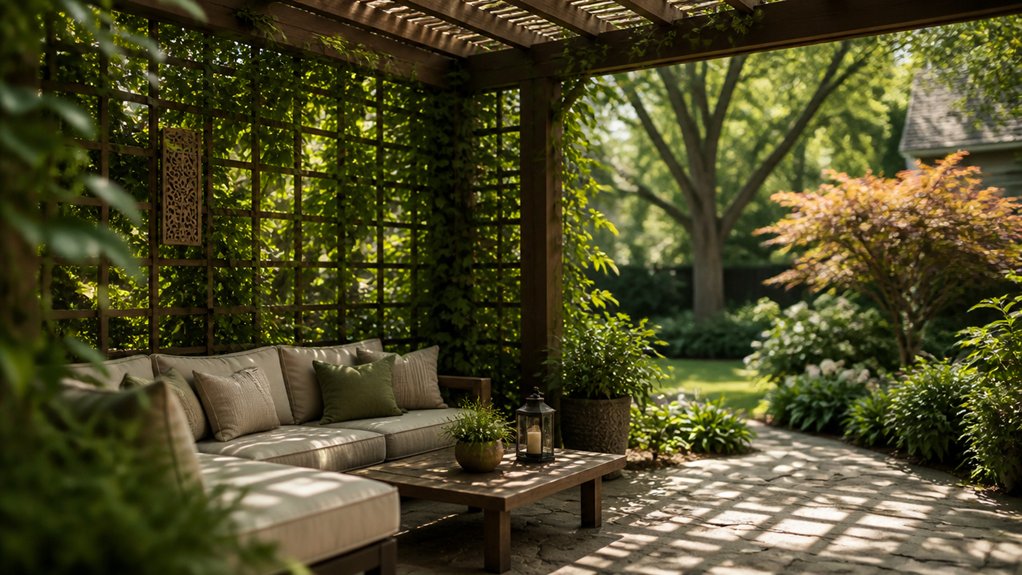
Where a pergola lands in your yard shapes everything about its usefulness. The sun’s daily arc, sightlines from neighboring properties, and how the structure relates to trees or buildings all influence the final result. Finding the sweet spot means weighing each of these variables carefully.
Shade shifts relentlessly from morning to evening. East-facing placements capture cool, dappled light at dawn but may roast occupants by afternoon. West orientations invite harsh sunset glare. Tracking shade patterns across a full day prevents disappointing surprises after construction ends.
Privacy demands attention to vertical angles, not just horizontal space. A pergola tucked close to a fence line might still leave you exposed to second-story windows.
Strategic screening with climbers or louvered panels can close these gaps without creating a fortress-like feel. Existing features deserve honest assessment rather than optimistic assumptions.
Mature trees offer genuine canopy but also drop debris and limit airflow. Adjacent walls reflect heat and amplify sounds. Working with these elements, rather than against them, transforms constraints into design strengths.
Figure Out Where the Sun Hits Your Yard
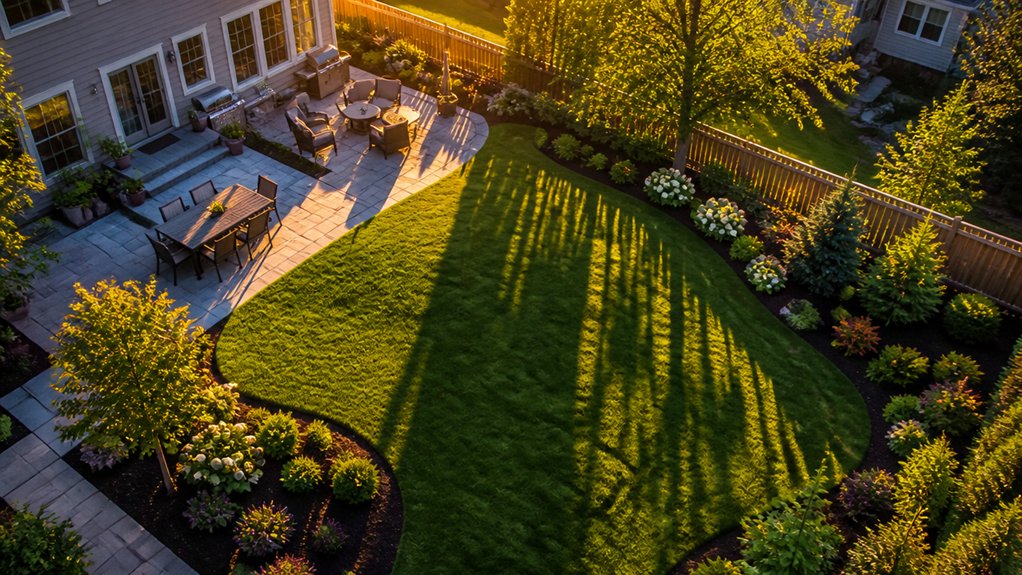
Understanding Sun Patterns****
Sunlight moves across your yard in predictable ways. But these patterns change with the seasons. They also differ depending on where you live.
Take time to watch your yard at key moments. Check it in the morning, at midday, and in the evening. This simple habit reveals which spots stay sunny and which stay shaded.
Cardinal Directions and Sun Exposure****
Morning light enters from the east. Afternoon light shifts to the west. Areas facing south get the most direct sun, particularly in summer. North-facing spaces tend to stay darker all year.
Obstacles and Shade
Trees, buildings, and fences all block sunlight. Their shadows move and stretch as seasons pass. Keep notes on these changing patterns. This information guides smart pergola placement.
A pergola works best where afternoon sun hits hardest. It will shield you during the hottest part of the day. Putting it in an already shady spot wastes its potential as a cooling structure.
Position Your Pergola to Block Afternoon Heat
Why Placement Matters
Afternoon sun hits hardest between 2 and 5 p.m. This is when your patio can feel like an oven. A pergola placed on the west or southwest side of your yard blocks those fierce rays right when you need relief.
Orientation changes everything. An east-facing pergola misses the mark for afternoon heat since the sun moves west. A west-facing setup delivers shade precisely when temperatures spike.
Shading Your Space
Angle your pergola to throw shade across seating areas and lounging spots. The structure should shelter people, not just empty corners. Think about where you actually sit, dine, or relax outside.
Climbing vines add a lush, natural canopy over time. Prefer faster results? Shade cloth clips onto the frame easily. Either choice can drop the temperature by several degrees. Your outdoor space becomes comfortable again even at peak heat.
Use Existing Structures to Improve Pergola Shade
Your yard already holds hidden shade potential. Nearby trees, fences, and buildings can boost a pergola’s cooling power far beyond the structure itself.
Trees with thick canopies pair beautifully with pergolas. Deciduous varieties like oaks and maples work especially well. Together they create layered shade that blocks far more sun than either could alone.
Walls and fences on the south or west side add extra cooling. Brick and stone absorb heat rather than bouncing it toward your seating area. That means lower temperatures where you actually relax.
Your house or garage can also help. These larger structures cast broad shadows and block wind, forming cozy outdoor rooms. Take a walk through your yard at different times of day. Note where afternoon shade already falls. Position your pergola to catch and extend these natural cool spots. A little planning now means more comfortable afternoons all summer long.
Create Privacy Screens With Strategic Placement
Position a pergola between your seating area and neighboring properties. This blocks unwanted views while giving your space a cozy, secluded feel.
Placement along property lines works well as a privacy barrier. It screens your yard from street traffic and nearby homes without feeling closed in.
Enhance the screening by adding climbing vines, lattice panels, or shade cloth. These additions make the structure more effective while keeping things airy.
Corner placement near patios or decks serves two purposes at once. You get maximum privacy and a clearly defined outdoor living zone.
For the best results, angle your pergola perpendicular to sightlines from neighboring windows. This simple adjustment sharply reduces visibility into your yard.
Link multiple pergolas together or connect one to an existing fence. Either option builds a continuous privacy barrier across your property.
This design keeps your space open overhead. You still get plenty of light and airflow while blocking direct views at eye level.
Stack Tree Shade With Your Pergola
Layering pergola shade with existing trees creates a more effective cooling system. Trees offer natural cooling through leaf coverage and moisture evaporation. Pergolas add consistent overhead protection and visual appeal.
Best Placement for Combined Shade
The most effective spot positions your pergola where afternoon sunlight filters through branches. This doubles your shade density.
Oak, maple, and ash trees work especially well. They grow broad canopies that extend substantial coverage.
Planning Around Growth and Seasons
Check your tree’s growth pattern before placing your pergola. Summer foliage provides maximum cooling. Deciduous trees let winter sunlight through, which can be a bonus.
Position the pergola slightly offset from the trunk. Light reaches both structures this way. You also maximize combined shade coverage throughout the day.
Adjust Your Pergola Placement for Wind and Seasons
Weather changes throughout the year. Your pergola placement should account for wind direction and seasonal shifts.
Position your pergola on the leeward side of structures. This reduces wind exposure and structural strain. For summer comfort, place it where afternoon sun hits at lower angles. This maximizes shade coverage. In winter, southern exposure allows warming sunlight through bare branches.
Regional wind patterns matter. Coastal areas have consistent ocean breezes. Place pergolas behind windbreaks in these locations. Inland winds often blow from unpredictable directions. Flexible designs work best there.
Tree choice affects year-round comfort. Deciduous trees offer thick summer shade. They drop leaves in winter, letting light through. Evergreens provide steady privacy and wind blocking. Mix both types near your pergola for balanced, season-smart protection.
Match Pergola Placement to Your Daily Outdoor Routine
A pergola works best when it matches how you actually use your outdoor space. Your daily habits should shape where it goes.
Morning Routines
East-facing pergolas catch gentle sunlight during breakfast. Coffee drinkers enjoy warm, natural light without harsh glare. This placement extends your usable morning hours outside.
Afternoon Activities
Western sun brings intense heat. Position shade structures to block it during peak hours. Readers and loungers stay comfortable with smart afternoon coverage.
Evening Gatherings
Place pergolas near seating areas or dining zones. Guests naturally gather where shade and conversation meet. Patios become more inviting with overhead structure nearby.
Traffic Flow
Watch how people move through your yard. A pergola on a busy pathway blocks movement. Adjacent placement gives shade without creating obstacles.
Work Schedules
Afternoon workers need solid midday coverage. Night shift workers use mornings or evenings differently. Match placement to when you are actually outside.
Comfort and Function
The right location turns occasional use into daily enjoyment. Small adjustments to placement create major comfort gains throughout every season.
Frequently Asked Questions
What Is the Ideal Pergola Size for Different Yard Dimensions and Layouts?
A pergola’s ideal size depends on yard dimensions and intended use. Small yards benefit from 8×8 or 10×10 feet structures, while medium yards accommodate 12×12 feet designs. Larger properties support 15×16 feet or expansive pergolas. Proportion to surrounding space guarantees balanced aesthetics and functionality.
How Much Shade Coverage Do Pergolas Actually Provide Compared to Other Structures?
Ironically, pergolas—marketed as shade solutions—provide merely 30-50% shade coverage, while solid structures like gazebos deliver 100%. Shade sails offer 80-90% protection. Pergolas excel at filtering harsh rays and creating ambiance rather than genuine sun protection, making them supplementary rather than primary shade structures.
What Materials Are Best for Pergolas in Different Climates and Weather Conditions?
Pergola material selection depends on climate conditions. Wood suits temperate regions but requires maintenance. Aluminum resists rust in humid coastal areas. Vinyl offers durability in extreme temperatures. Composite materials provide longevity across diverse weather conditions.
Can Pergolas Be Moved or Relocated Once They Are Installed Permanently?
While one might assume permanent installation means permanence, pergolas can actually be relocated. The process requires disassembly and reinstallation, which demands professional help and considerable expense. Proper planning during initial placement prevents costly relocation later.
What Are the Typical Costs and Installation Requirements for Different Pergola Types?
Pergola costs range from $1,500 to $5,000+ depending on materials and size. Installation requires a level foundation, proper footings, and basic carpentry skills. Wood structures need annual maintenance, while vinyl and metal options require minimal upkeep but cost more initially.
Conclusion
A properly positioned pergola ironically requires careful planning to achieve effortless comfort. By tracking sun patterns, leveraging existing trees, and angling structures strategically, homeowners create functional outdoor spaces. Southwest placement blocks afternoon heat, while perpendicular positioning enhances privacy from neighbors. Wind exposure and seasonal changes demand consideration. Ultimately, successful pergola placement combines observation, existing landscape features, and intentional design choices to deliver shade and seclusion without appearing complicated.