
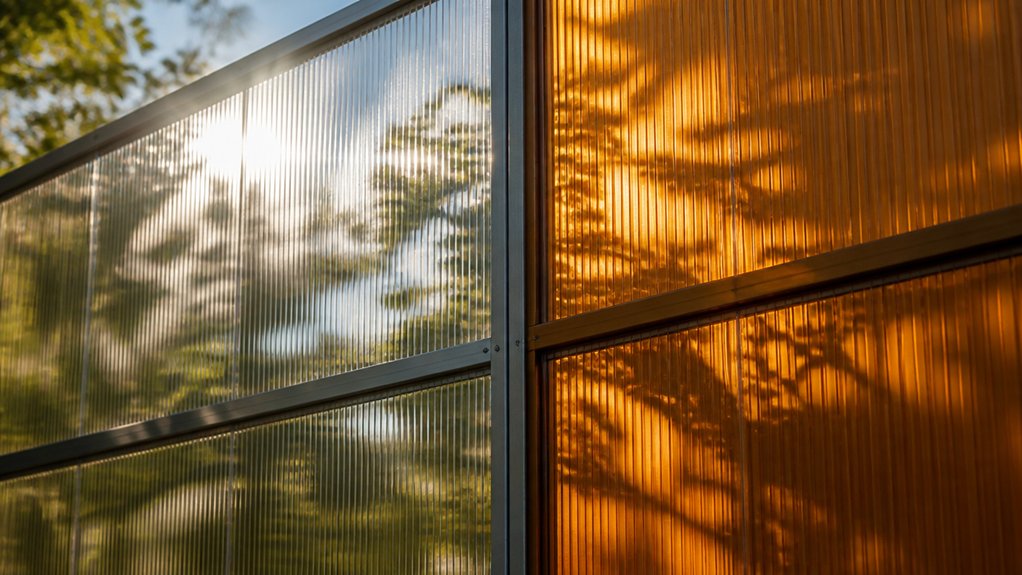
Polycarbonate roofing offers two distinct options that cater to different needs and preferences. Clear panels maximize natural light transmission, making them ideal for spaces where brightness matters. Tinted panels, on the other hand, reduce solar heat gain and filter out excess light for improved comfort.
Energy efficiency plays a significant role when deciding between these materials. Clear panels may increase cooling costs in hot climates but reduce lighting expenses year-round. Tinted alternatives provide better temperature control, particularly in regions with intense sun exposure.
The aesthetic and functional differences extend beyond performance metrics. Clear panels create an open, airy feeling and work well for greenhouses, skylights, and outdoor structures.
Tinted versions suit commercial buildings and residential applications where privacy and heat reduction are priorities.
Budget constraints and long-term planning should guide the final decision. While clear panels typically cost less upfront, tinted options often deliver better returns through reduced energy bills over time.
Assessing your climate zone, building purpose, and financial goals ensures you select the most suitable material for your project.
Clear vs. Tinted Polycarbonate: What Matters for Your Decision
Light and Heat: The Key Difference
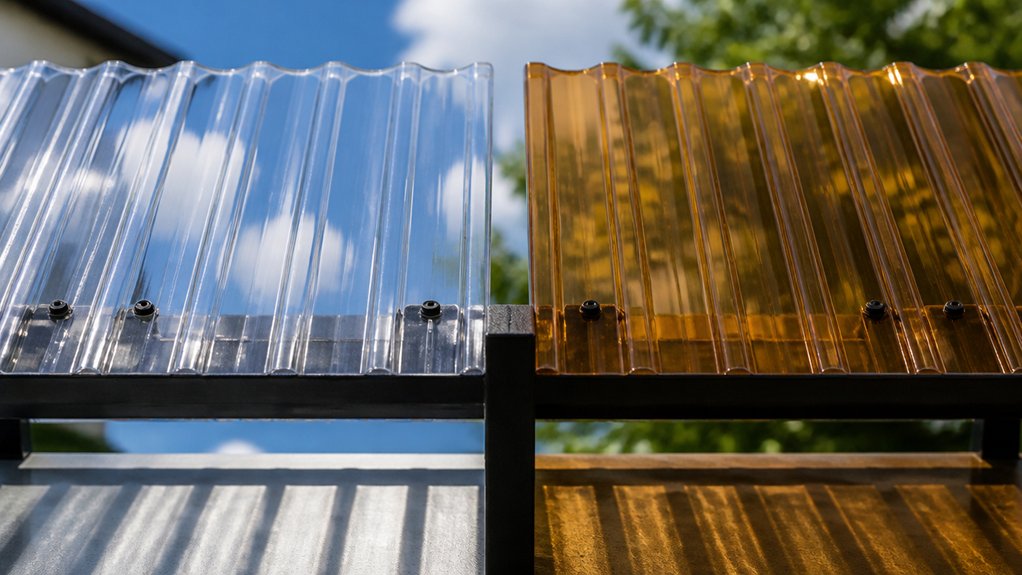
Clear polycarbonate lets in maximum sunlight, perfect for greenhouses, patios, and skylights. If you need brightness and an open feel, clear is your answer. Tinted options like bronze or gray reduce glare and solar heat, making them ideal for hot climates or spaces where you need some shade.
Cost and Long-Term Savings
Clear sheets have a lower upfront price tag. However, they can drive up cooling costs in sunny areas. Tinted polycarbonate costs more initially but saves money on air conditioning and lasts longer thanks to better UV protection.
Durability and Performance
Both types outperform glass in strength and impact resistance. Tinted varieties offer superior temperature control and protect against UV damage, which extends the material’s life. Clear polycarbonate still provides solid durability for most applications.
Making Your Choice
Your location and climate matter most. Hot regions benefit from tinted sheets. Cool areas work well with clear options. Think about your budget, how you’ll use the space, and whether you prioritize natural light or temperature control.
How Much Light Do You Need Indoors?
How Much Light Do You Need Indoors?
Different spaces need different amounts of light. Offices and classrooms rely on plenty of daylight for reading and detailed tasks. Workshops need bright conditions so people can work safely and accurately.
Your home benefits from good light too. Kitchens and living rooms work best with moderate to high light during the day. Storage areas, bathrooms, and basements get by with less light and function fine that way. Greenhouses are different since plants need maximum light for growth.
Choosing the Right Roofing Material
Clear polycarbonate lets the most light through, usually 88 percent or higher. Tinted options block 15 to 50 percent of brightness. Pick tinted roofing if your space gets too hot or has glare problems. Clear works better when you want maximum natural light inside.
Heat and UV Protection: Which Type Reduces Cooling Costs?
Heat and UV Protection: Which Type Reduces Cooling Costs?
Clear polycarbonate lets a lot of heat through, which means your air conditioning works harder during hot months. Tinted and bronze options are much better. They block 30-50% of heat, cutting cooling costs significantly.
Quality polycarbonate comes with UV coatings that protect against sun damage and fading. These coatings also reduce heat buildup inside your space. Multi-wall designs work even better because the air pockets between layers trap heat and keep interiors cooler.
If you live somewhere hot, heat-reflective polycarbonate makes a real difference on your energy bills. Premium tinted sheets cost more upfront, but you’ll save money on cooling within 3-5 years. For buildings where temperature control matters, this investment pays for itself.
Managing Glare and Choosing Your Look
Clear polycarbonate lets in maximum light, making spaces bright and airy. The downside? It can create annoying glare and eye strain. Tinted or bronze sheets cut glare significantly while still providing plenty of light for most uses.
Diffused polycarbonate scatters light evenly across your space. This eliminates those harsh shadows and bright spots you’d notice in a greenhouse or covered patio. It’s a smart choice if glare bothers you.
Think about how you’ll use your structure before deciding. Commercial buildings do better with tinted options since they reduce employee discomfort. Homes with nearby windows often work best with diffused sheets instead.
Your color choice shapes how the structure looks from inside and out. Frosted or opalescent finishes give you style options while keeping light quality under control. You get both function and visual appeal in one choice.
Maintenance, Durability, and Lifespan
Maintenance, Durability, and Lifespan
Your polycarbonate sheets can last 10-20 years when properly cared for. The key is staying on top of simple maintenance tasks. Clean them regularly with mild soap and water to keep dirt from building up and blocking light.
Most quality sheets already have UV-protective coatings that prevent yellowing and material breakdown. Tinted varieties actually tend to last longer than clear ones because their pigments offer extra UV protection. Check your seals and fasteners once a year to catch any issues before water gets in and causes damage.
Extreme temperature swings and physical impacts are your biggest threats. Most manufacturers guarantee protection against major discoloration and breakage under normal conditions, though specific coverage depends on the brand and how it’s installed.
Real Cost Comparison: Initial Price Plus Energy Savings
Real Cost Comparison: Initial Price Plus Energy Savings****
Polycarbonate roofing costs $15 to $30 per square foot installed. Yes, that’s a bigger upfront expense. But here’s the good news: the energy savings kick in right away and really add up.
Clear polycarbonate lets solar heat through, which cuts heating costs in cold areas. If you’re somewhere warm, tinted options block 50-70% of the sun’s rays and lower your cooling bills instead.
Most property owners see 10-15% annual savings on heating and cooling. A 2,000-square-foot roof typically saves $200-400 each year. Over 20 years, that’s $4,000-8,000 back in your pocket.
Your payback period usually takes 5-8 years. After that, every dollar saved is pure gain. Check your local utility rates and climate to figure out your exact numbers.
Match Your Choice to Your Building’s Use and Climate
Pick the Right Type for Your Building
Clear polycarbonate lets in lots of light, making it perfect for greenhouses and sunrooms. If you need to control heat and glare, tinted options work better for warehouses and commercial spaces.
Let Climate Guide Your Decision
Hot, sunny areas benefit most from tinted panels. They block solar heat and keep cooling costs down. In cooler regions, clear panels allow natural warmth inside, which cuts heating bills.
Coastal buildings face extra challenges. Salt spray damages standard materials quickly, so you’ll want UV-resistant polycarbonate. Agricultural buildings in strong sunlight also need tinted protection to keep crops from overheating.
Think About Your Specific Situation
Office workers tend to prefer tinted panels for comfort and energy savings. These temperate-zone buildings see real benefits in employee satisfaction and lower utility expenses. Matching your material to what your building does and where it’s located simply makes sense for both performance and your budget.
Frequently Asked Questions
Can Polycarbonate Roofing Be Recycled or Is It Environmentally Harmful?
Polycarbonate roofing can be recycled, though the process remains limited compared to other materials. It is not inherently environmentally harmful, but its production requires fossil fuels. Proper disposal through specialized recycling facilities minimizes environmental impact considerably.
What Warranty Coverage Do Clear and Tinted Polycarbonate Products Typically Offer?
When it comes to warranty coverage, manufacturers typically offer ten to fifteen-year protections. Clear products generally receive standard coverage, while tinted variants often feature enhanced UV and impact guarantees, ensuring long-lasting performance.
Does Polycarbonate Roofing Reduce Noise From Rain or Outside Sounds?
Polycarbonate roofing provides moderate noise reduction compared to traditional materials. Its solid structure dampens rain sounds and external noise reasonably well, though it remains less effective than insulated or specialized acoustic roofing systems.
Are There Any Health Concerns From Prolonged Exposure to Polycarbonate Off-Gassing?
Polycarbonate off-gassing poses minimal health concerns for most residential applications. Modern polycarbonate roofing materials are formulated to minimize volatile organic compound emissions. Proper ventilation further reduces any potential exposure risks during and after installation.
Can You Change From Clear to Tinted Polycarbonate Later Without Replacement?
One might assume retrofitting offers flexibility, yet the reality proves complicated. Tinting existing clear polycarbonate panels requires professional application or replacement, as aftermarket solutions seldom adhere durably to aged surfaces, ultimately necessitating costly panel substitution.
Conclusion
Choosing between clear and tinted polycarbonate requires weighing immediate brightness against long-term savings. Clear panels flood spaces with natural light, yet paradoxically increase cooling expenses in hot climates. Tinted options block sunlight, reducing heat and UV damage, while limiting visibility. The decision hinges on climate conditions, building purpose, and budget constraints. Neither option perfectly solves all roofing needs, demanding thoughtful evaluation of individual circumstances and priorities.