
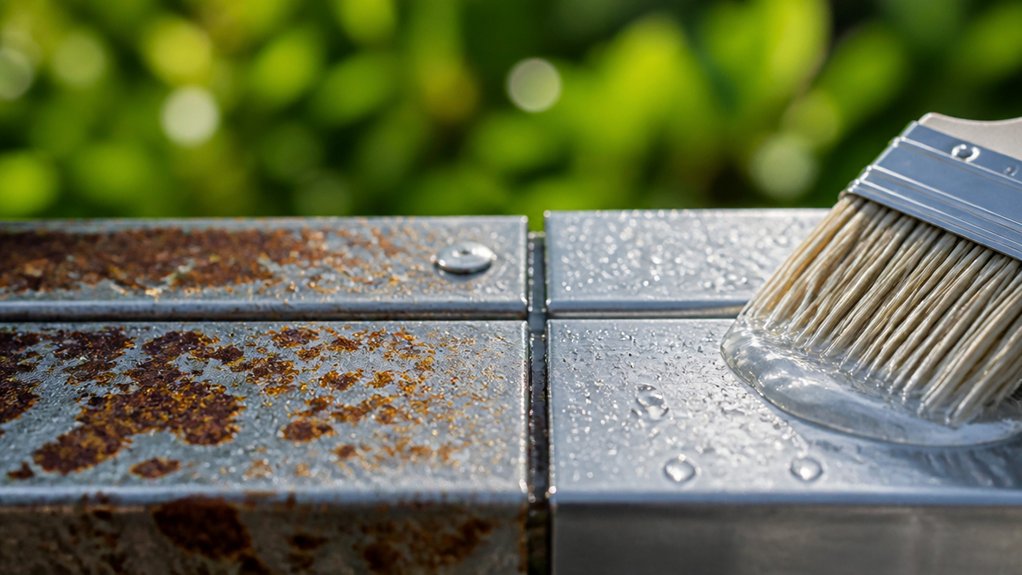
A metal patio roof requires consistent upkeep to prevent rust, leaks, and structural problems.
Regular inspections are your best defense against costly repairs down the road.
Seasonal maintenance should focus on fasteners, sealants, and gutters. Debris like leaves and dirt trap moisture against the metal, accelerating corrosion, so cleaning these areas thoroughly is essential. A soft brush works best for removing buildup without scratching the protective coating.
Small problems escalate quickly if left alone. Scratches expose bare metal to the elements, while loose bolts compromise structural integrity.
Addressing these issues promptly prevents them from becoming expensive headaches later.
When rust spreads or structural damage appears, professional evaluation becomes necessary. An expert can assess whether repairs will restore safety and durability or if replacement makes more sense.
Getting ahead of these problems early saves both money and stress.
Establish a Year-Round Maintenance Schedule
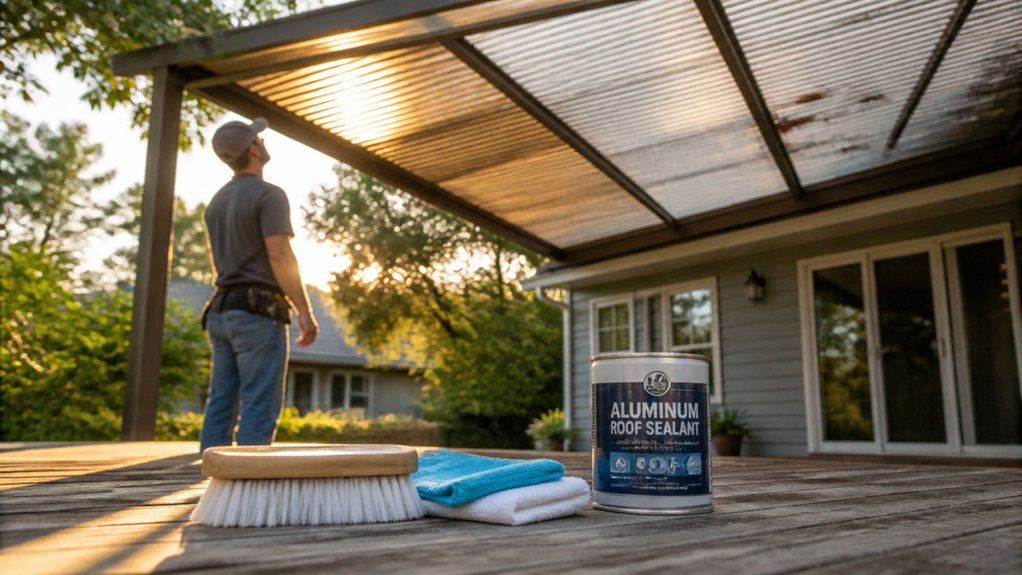
A structured maintenance plan keeps your metal patio roof in great shape for years to come. Think of it as regular checkups that catch problems before they become expensive fixes.
Seasonal Inspection Checklist
Spring is the perfect time to assess winter damage and clear away debris. Check your drainage system to ensure water flows properly. Summer heat calls for fastener and sealant checks since temperature changes affect their integrity.
As fall arrives, remove leaves and branches from gutters and roof surfaces. This prevents water backup and keeps everything flowing smoothly. Winter requires attention to ice dams and snow load distribution across your roof structure.
Stay on Top with Monthly Checks
Quick visual inspections between seasons help you spot issues early. Take five minutes each month to look for loose panels, rust spots, or sealant gaps. Catching these small problems saves you from major repairs down the road.
Keep Records That Matter
Document what you observe and when you observed it. Note any repairs, cleaning dates, and maintenance work completed. This record becomes invaluable for warranty claims and helps you track your roof’s performance over time.
Clean Your Roof and Gutters Regularly
Debris piles up fast on metal patio roofs. Leaves, branches, and dirt trap moisture against the surface, which speeds up rust and weakens the structure. Plan to inspect and clean twice a year, ideally in spring and fall.
Clogged gutters are just as problematic. They stop water from draining properly, which leads to pooling and damage. Clearing them keeps water flowing toward downspouts where it belongs.
How to Clean Safely
Start by removing visible debris with a soft brush or broom. Skip abrasive tools since they scratch the protective coating. For gutters, pull out leaves, twigs, and sediment by hand or with a gutter scoop.
Check for Damage
After cleaning, look for rust spots, loose fasteners, or cracked sealant. Catching these early saves money and keeps your roof lasting longer. Fix problems right away rather than waiting.
Inspect Your Roof for Rust and Corrosion
Once debris is cleared, the metal surface becomes visible. Look for reddish-brown discoloration that signals rust. Corrosion appears as pitting, white powder, or flaking material.
Water tends to pool in seams, fasteners, and panel overlaps. These areas corrode faster than others. Check them first during your inspection.
Address Rust Early
Minor surface rust responds well to wire brushes and rust-inhibiting treatments. Deeper corrosion needs professional help to prevent structural damage.
Priority Areas to Check
Focus your inspection on:
- Fastener heads and the metal around them
- Places where panels overlap
- Spots where water drains
- Any sections that were previously repaired
Keep a Regular Schedule
Storm damage accelerates corrosion, so inspect after heavy weather. Spring and fall inspections work best for tracking how rust develops over time. Write down where rust appears and how severe it is. This record helps you plan future maintenance and budget accordingly.
Seal Leaks in Seams and Fasteners
Water finds its way into metal roofs through gaps and cracks. The biggest trouble spots are seams where panels overlap, holes around fasteners, and ridge caps. Silicone or polyurethane sealants stop water before it becomes a problem.
Check your seams and fasteners a couple times a year. Look for gaps or sealant that’s cracking and peeling away. Fasteners are especially important because water collects right around them.
Resealing is straightforward work. Clean the area first, scrape off old material, then apply fresh caulk along seams and fastener heads. Ridge caps, valleys, and flashing need the most attention since water flows heavily through these spots.
Good sealants flex when temperatures shift. This movement keeps them working through hot summers and cold winters. Taking time to seal properly now saves your roof and prevents expensive water damage later.
Address Scratches and Damage Right Away
Metal patio roofs take a beating from weather, flying debris, and everyday use. Small scratches, dents, and holes can quickly turn into bigger problems if you ignore them. The good news is that catching damage early stops rust and water leaks before they get expensive.
Fixing Small Scratches
Clean the scratched area with a wire brush to remove dirt and loose paint. Apply touch-up paint or metal sealant to protect the exposed metal underneath. This simple step prevents rust from taking hold.
Handling Dents
Most dents aren’t worth fixing if they don’t affect how your roof works. However, deep dents that trap water or block drainage need repair. These can cause pooling and lead to rust spots over time.
Patching Holes
Any hole larger than a quarter inch needs a metal patch kit. Use sealant and fasteners to secure the patch tightly. This keeps water from seeping underneath your roof.
Treating Rust Spots
Act fast when you spot rust. Scrub it away with a wire brush or steel wool, then apply rust converter if the damage runs deep. Finish with a coat of protective paint to seal out moisture.
Stay Ahead with Inspections
Check your roof after storms and heavy weather. Spotting problems early means smaller repairs and a roof that lasts longer.
Tighten Loose Bolts and Hardware
Vibration from wind and temperature changes causes bolts and fasteners to loosen on metal patio roofs over time. Left unchecked, this leads to structural problems and water leaks.
Check bolts at panel seams, ridge caps, and flashing every three months. A socket wrench or adjustable wrench does the job quickly. Before tightening anything, look each bolt over for rust or damage.
Apply steady pressure when tightening, but don’t overdo it. Stripping threads or cracking metal defeats the purpose. Stainless steel bolts outlast standard steel by resisting rust better.
Swap out any corroded or damaged bolts right away. Match the original hardware size and material. Keeping a simple log of when you inspected and tightened fasteners makes it easy to stay on schedule.
This regular upkeep pays off by keeping your roof sound and adding years to its life.
When to Call a Professional Roofer
Your roof needs professional help when problems go beyond basic maintenance. If rust covers large sections, you’ll need specialized equipment and expert hands. Structural damage like bent or dented panels that affect your roof’s integrity also calls for a pro assessment.
Leaks that keep coming back after you reseal them are a red flag. Multiple leaks in different spots point to deeper issues underneath. Sagging roof sections suggest frame problems that require structural repair work.
Severe weather can cause damage that’s too much to handle yourself. Large dents, separated seams, and other storm damage exceed typical maintenance scope. Without proper safety equipment, working at heights puts you at real risk.
A roof older than fifteen years deserves a professional inspection. This helps catch problems before they become expensive. If the same spot needs repairs over and over, that’s a sign something bigger is wrong underneath. A professional can find the root cause and fix it properly instead of just patching it temporarily.
Frequently Asked Questions
What Type of Sealant Works Best for Metal Patio Roof Seams and Joints?
Silicone and polyurethane sealants work best for metal patio roof seams and joints. Silicone offers excellent flexibility and UV resistance, while polyurethane provides superior adhesion and durability. Both remain effective across temperature fluctuations and resist water penetration reliably.
How Often Should I Apply Protective Coating to My Metal Roof?
One should apply protective coating to metal roofs every 5-10 years, depending on climate conditions and coating quality. Regular inspections help determine when reapplication becomes necessary, ensuring ideal protection against rust and weathering.
Can I Walk on My Metal Patio Roof Without Causing Damage?
One can walk on a metal patio roof if proper precautions are taken. Wearing soft-soled shoes, distributing weight evenly, and avoiding sharp impacts minimizes damage. However, manufacturers’ guidelines should be consulted first, as some roofs cannot support foot traffic safely.
What Causes Premature Rust on Metal Patio Roofs in Coastal Areas?
Salt spray from ocean air accelerates oxidation on metal surfaces in coastal regions. High humidity levels combined with saltwater exposure create ideal conditions for corrosion, requiring more frequent protective coating applications and maintenance than inland installations.
Is It Safe to Pressure Wash a Metal Patio Roof Surface?
Pressure washing a metal patio roof can be safe if done correctly. One should use low pressure settings below 1500 PSI, maintain proper nozzle distance, and avoid direct spraying on seams or fasteners to prevent damage.
Conclusion
Maintaining a metal patio roof requires consistent effort throughout the year. Regular inspections, cleaning, and prompt repairs keep the structure sound. Addressing small issues prevents them from becoming major problems, so homeowners shouldn’t put all their eggs in one basket by waiting for significant damage. Professional roofers handle complex repairs safely. Following this maintenance approach protects the roof’s longevity and guarantees reliable performance for years ahead.